Service Identity
Understanding the role of military identity, belonging, purpose and transition.
Supporting serving members, transitioning personnel, veterans and their families through trauma, recovery, transition and life's challenges.
David's connection to military service extends beyond professional practice. Raised in a family with strong military traditions and later serving in the Army Reserve, he developed an early appreciation of the values, sacrifices and culture that shape military life.
For more than three decades he has worked alongside serving and former serving members of the Australian Defence Force, supporting individuals affected by trauma, operational stress, injury, transition challenges and the ongoing impact of service.
Having also experienced significant trauma and recovery following a serious accident, David understands that recovery is not simply about reducing symptoms. It is about rebuilding confidence, purpose, relationships and quality of life.
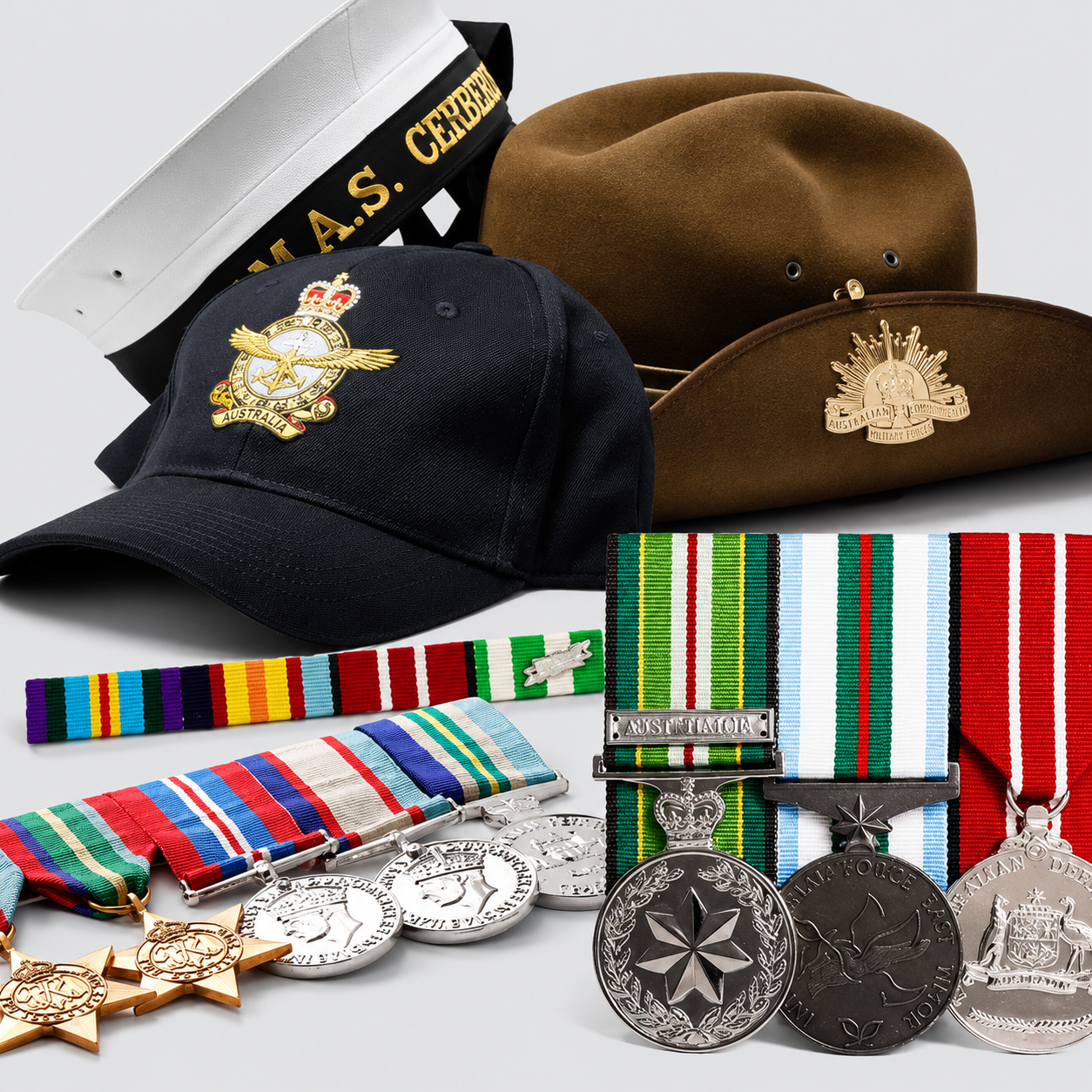
Military service shapes identity. Values such as duty, loyalty, discipline, responsibility and service before self often become deeply embedded. While these qualities are strengths, they can sometimes make it difficult to seek support when challenges arise.
Many Defence members have spent years solving problems independently, looking after others and putting the mission first. Effective psychological support requires an understanding of that culture and the realities of military life.
Understanding the role of military identity, belonging, purpose and transition.
Recognising self-reliance, vigilance, discipline and responsibility.
Respecting the reluctance many serving and former serving members feel about asking for support.
Supporting confidence, relationships, purpose and wellbeing beyond uniform.
Operational pressures, deployments, family separation, career demands, leadership pressures, anxiety, stress and maintaining wellbeing while serving.
Identity change, loss of structure, uncertainty, career transition, adjustment difficulties and building a meaningful life beyond uniform.
PTSD, trauma, service-related injuries, chronic pain, sleep issues, relationship strain and finding renewed purpose after service.
Defence personnel may seek support for many reasons. Sometimes the issue is clearly connected to service. Sometimes the effects emerge gradually over time, or become more visible during transition, family life, retirement, injury or major change.

Defence personnel often seek a psychologist who understands military culture, operational realities and the challenges that can arise during and after service.
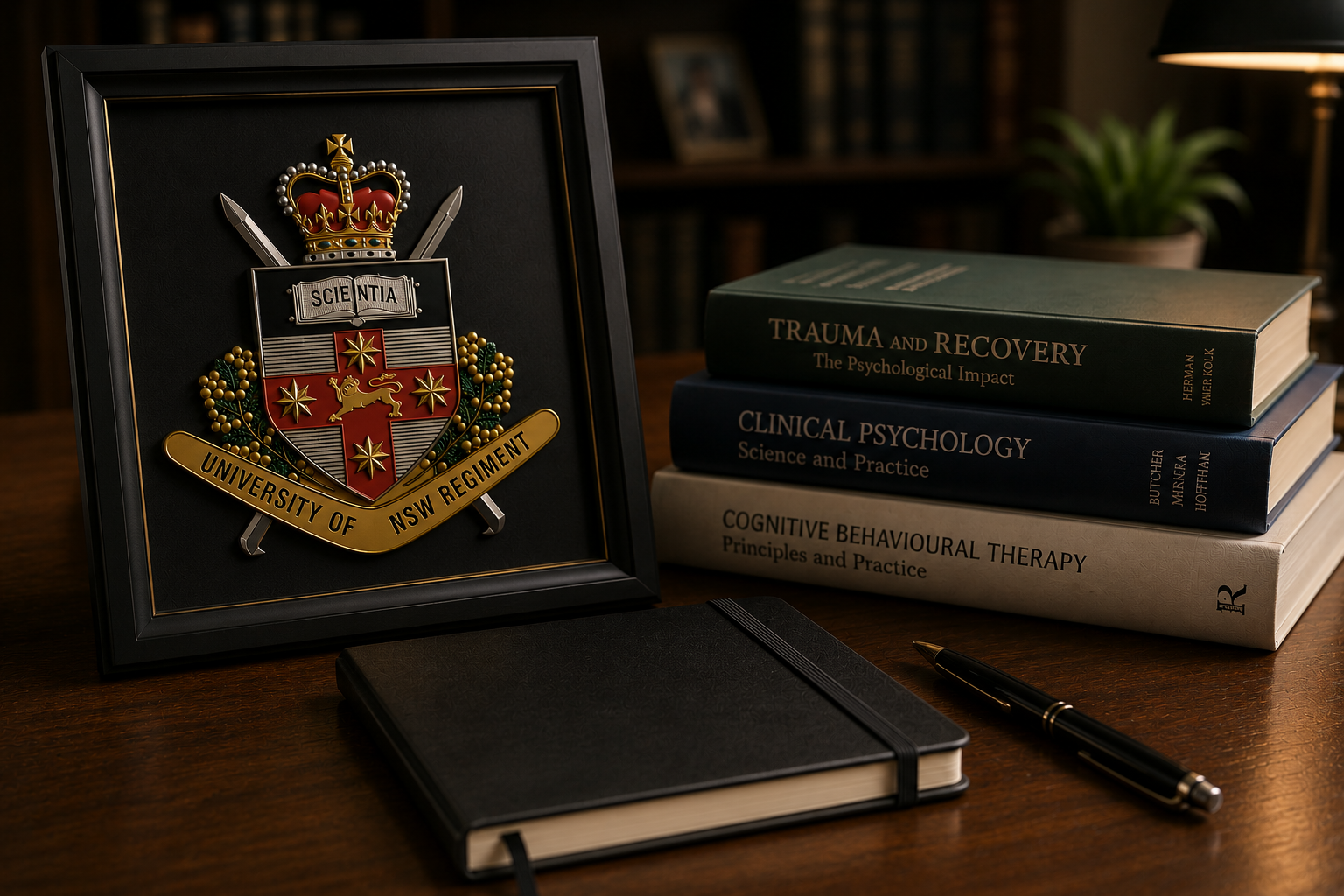
David brings lived familiarity with service culture, discipline, identity and the realities of life in uniform.
More than three decades of psychological work with trauma, injury, transition, chronic pain and recovery.
Training in EMDR, Eye Movement Integration Therapy (EMIT) and Accelerated Resolution Therapy (ART).
Support focused on stability, confidence, relationships, purpose and meaningful life beyond symptoms.
Military service teaches self-reliance, responsibility and resilience. These qualities are strengths. Yet many serving and former serving members find it difficult to seek support when facing significant challenges.
Whether the issue involves trauma, transition, anxiety, injury, relationship difficulties or the cumulative impact of service, recovery does not mean facing those challenges alone.
Seeking support is not a sign of weakness. It is often the first step toward regaining control, rebuilding confidence and moving forward.
Many serving and former serving members experience reactions that continue long after the event itself has passed. Hypervigilance, sleep disruption, irritability, avoidance, emotional numbing and difficulty switching off are often signs of a nervous system that has learned to stay ready for threat.
Understanding why these reactions occur is often the first step toward meaningful recovery. The Trauma & PTSD Recovery page explains why trauma responses can persist and how recovery can begin with understanding rather than self-blame.
Whether you are currently serving, transitioning from service or have been out of uniform for many years, support is available.
Start A Confidential Enquiry