Hypervigilance
Always scanning, always ready, even when the call is over.
Psychological support for police, paramedics, firefighters and first responders.
NSW Police officers, NSW Ambulance paramedics, Fire and Rescue NSW firefighters, SES volunteers, emergency service personnel and communications staff are repeatedly exposed to situations most people will never experience.
Sometimes the job follows you home.
First responders are often present during moments most people hope never to witness: fatal accidents, suicides, child deaths, violence, serious injuries, natural disasters and human suffering in its rawest forms.
Most people experience events like these once or twice in a lifetime. First responders may experience them hundreds of times throughout a career.
The impact is not always immediate. Sometimes it develops gradually, accumulating quietly over years of service.
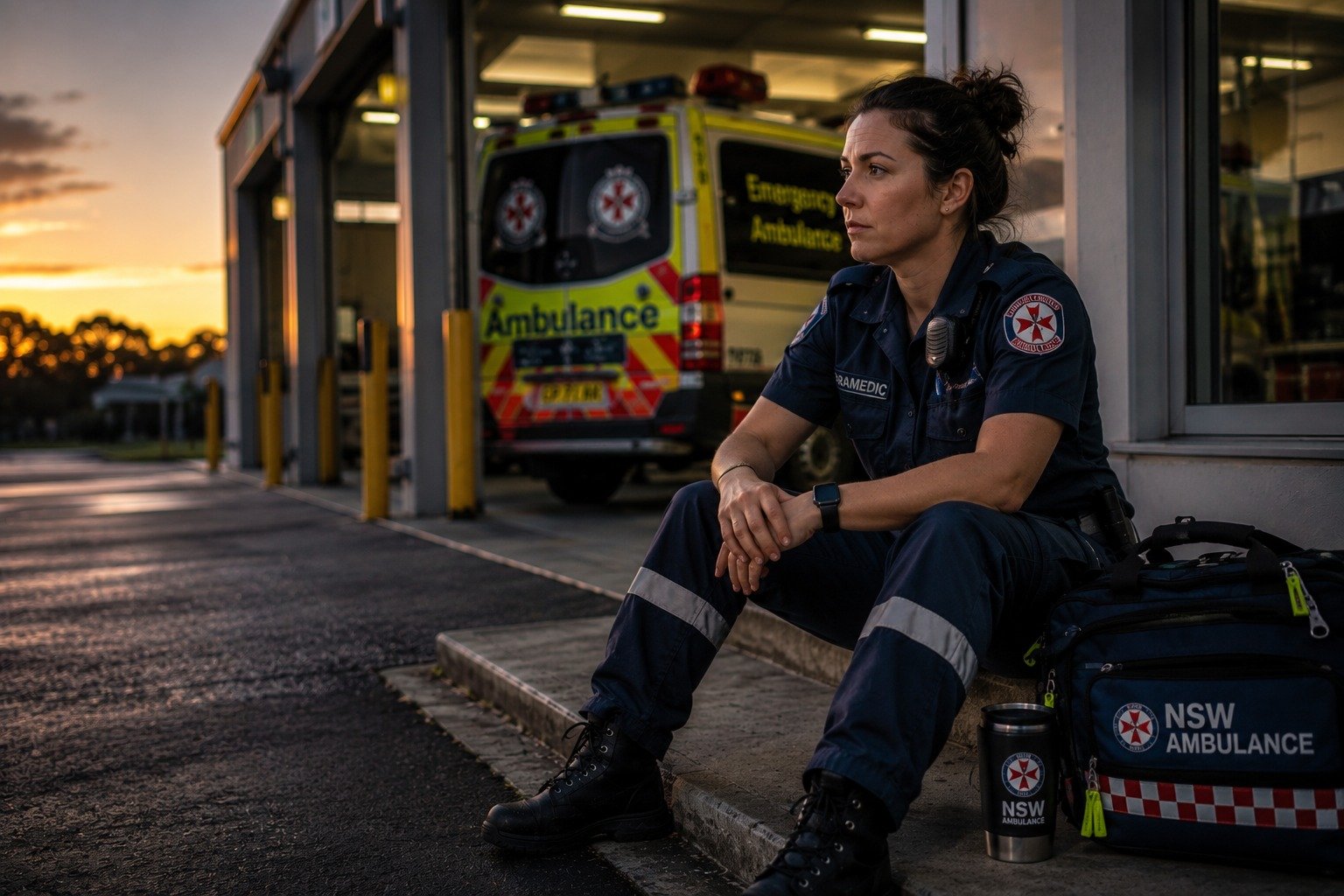
The brain learns from experience. When exposure to crisis becomes routine, the nervous system often adapts in ways that remain long after the shift has ended.
Hypervigilance, emotional numbing, irritability, sleep disruption, withdrawal, cynicism, operational stress injury and difficulty switching off can emerge not because someone is weak, but because their system has spent years learning how to survive challenging and unpredictable environments.
Always scanning, always ready, even when the call is over.
Shutting down feeling to keep functioning in impossible situations.
Shift work, intrusive memories and a body that struggles to stand down.
Being physically home but still mentally carrying the job.
Psychological injuries in first responders, including police PTSD, paramedic PTSD, firefighter PTSD and emergency services PTSD, are not limited to a single diagnosis. The impact may be cumulative, delayed, physical, relational and deeply personal.
Intrusions, avoidance, hyperarousal and reactions that continue after the event.
The gradual accumulation of repeated exposure over months or years.
Exhaustion, cynicism and reduced capacity after prolonged operational demand.
Distress linked to injustice, preventable harm, helplessness or impossible choices.
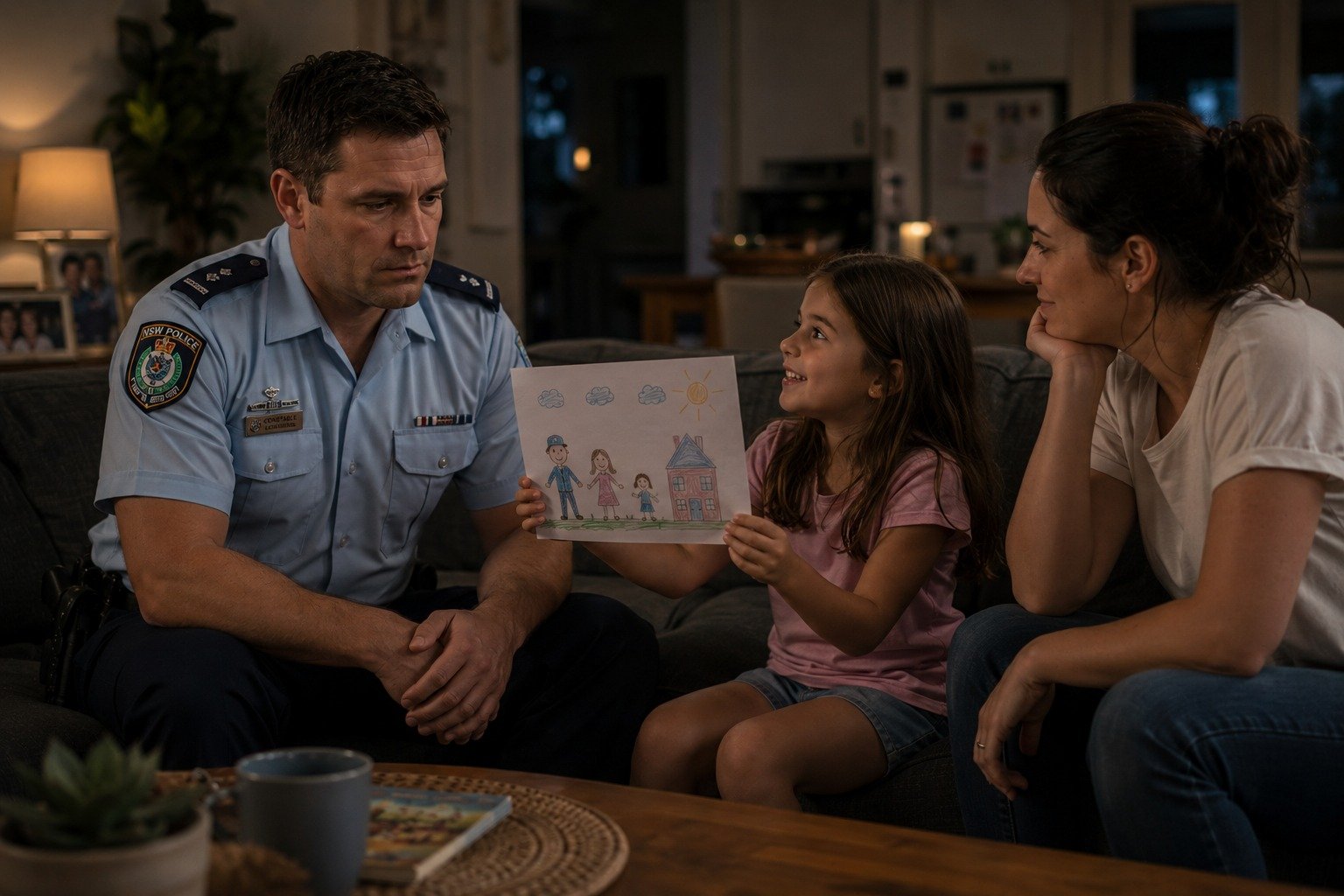
Many first responders discover that the hardest part of the job is not always what happens on shift. It can be what happens afterwards.
Difficulty switching off. Increased irritability. Emotional distance. Sleep problems. Isolation. Relationship strain. Families often notice the changes before the individual does.
The person may still be performing at work while becoming increasingly distant, reactive or exhausted at home.
Many first responders eventually find themselves asking why they are reacting like this, why they cannot switch off, why they are angry all the time, or why they feel detached from people they care about.
A more useful question is:
What did my system learn from years of exposure to crisis, and what does it now need to learn differently?
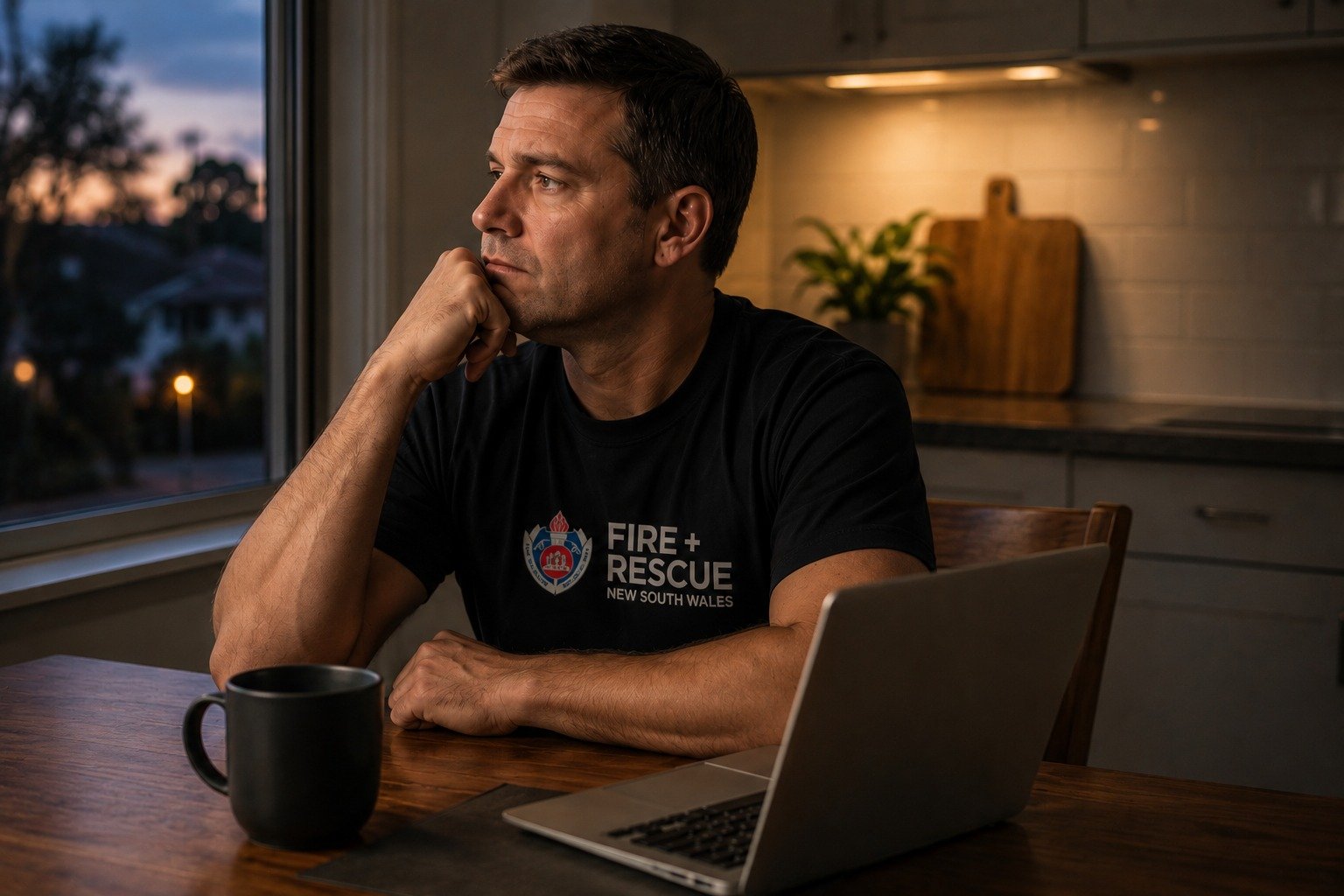
Psychological injury is an occupational risk of repeatedly being exposed to the suffering of others. Human beings were never designed to witness unlimited trauma without impact.
Helping hurts because caring hurts. The aim is not to remove care, but to help the person carry the work differently and recover what the job has taken from life outside the uniform.
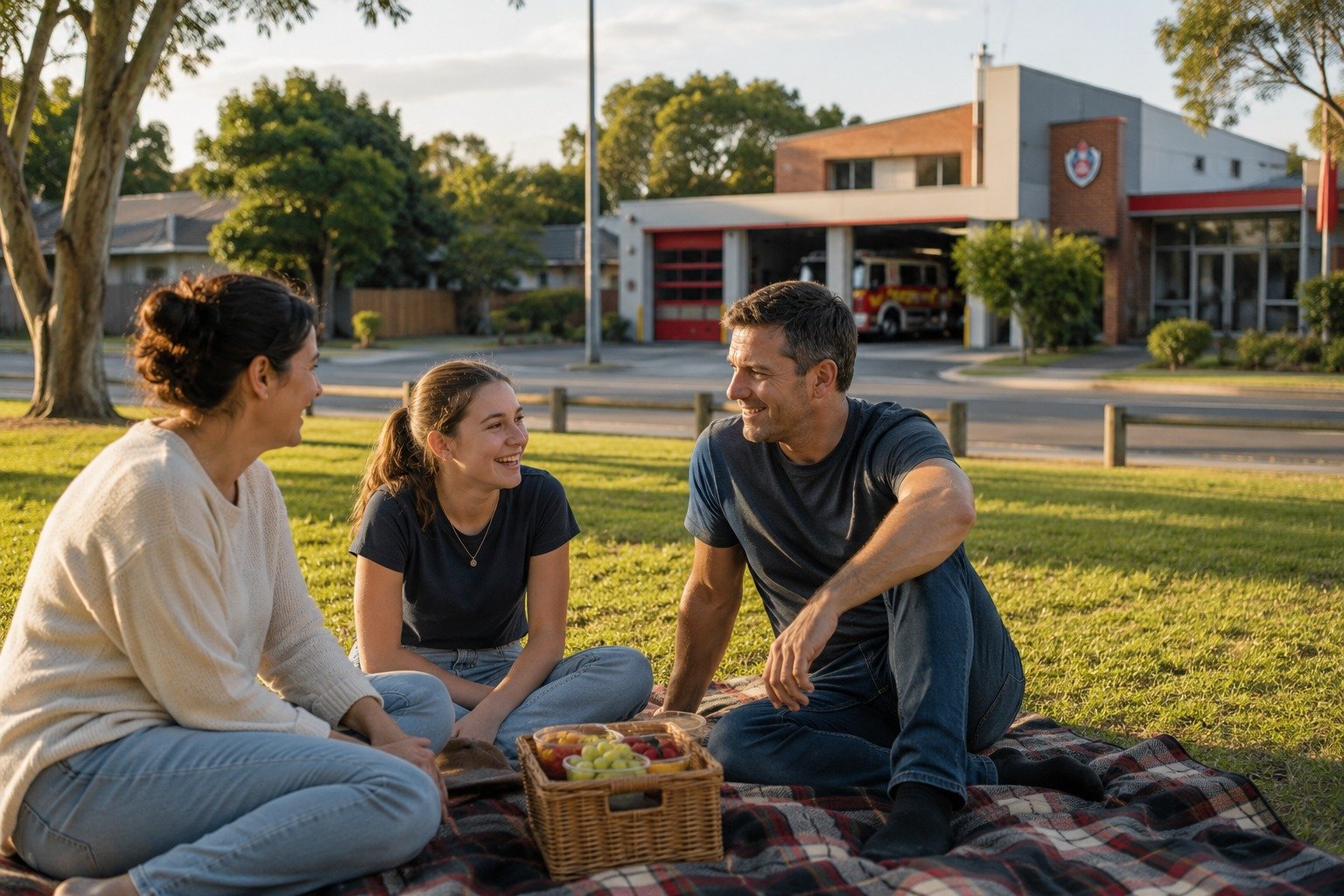
Recovery is not simply about reducing symptoms. It is about reconnecting with people, rebuilding trust, restoring confidence and creating a life that is larger than the experiences that caused the injury.
David understands operational cultures where responsibility, resilience, professionalism and service are highly valued. The work is not simply about symptoms. It is about understanding what has happened, why it happened, and how meaningful recovery can occur.
Support may include stabilisation, emotional regulation, trauma-focused therapy, sleep and stress management, and evidence-informed approaches such as EMDR, Eye Movement Integration Therapy and Accelerated Resolution Therapy where appropriate.
There comes a point when looking after yourself becomes just as important.
Start A Confidential Enquiry